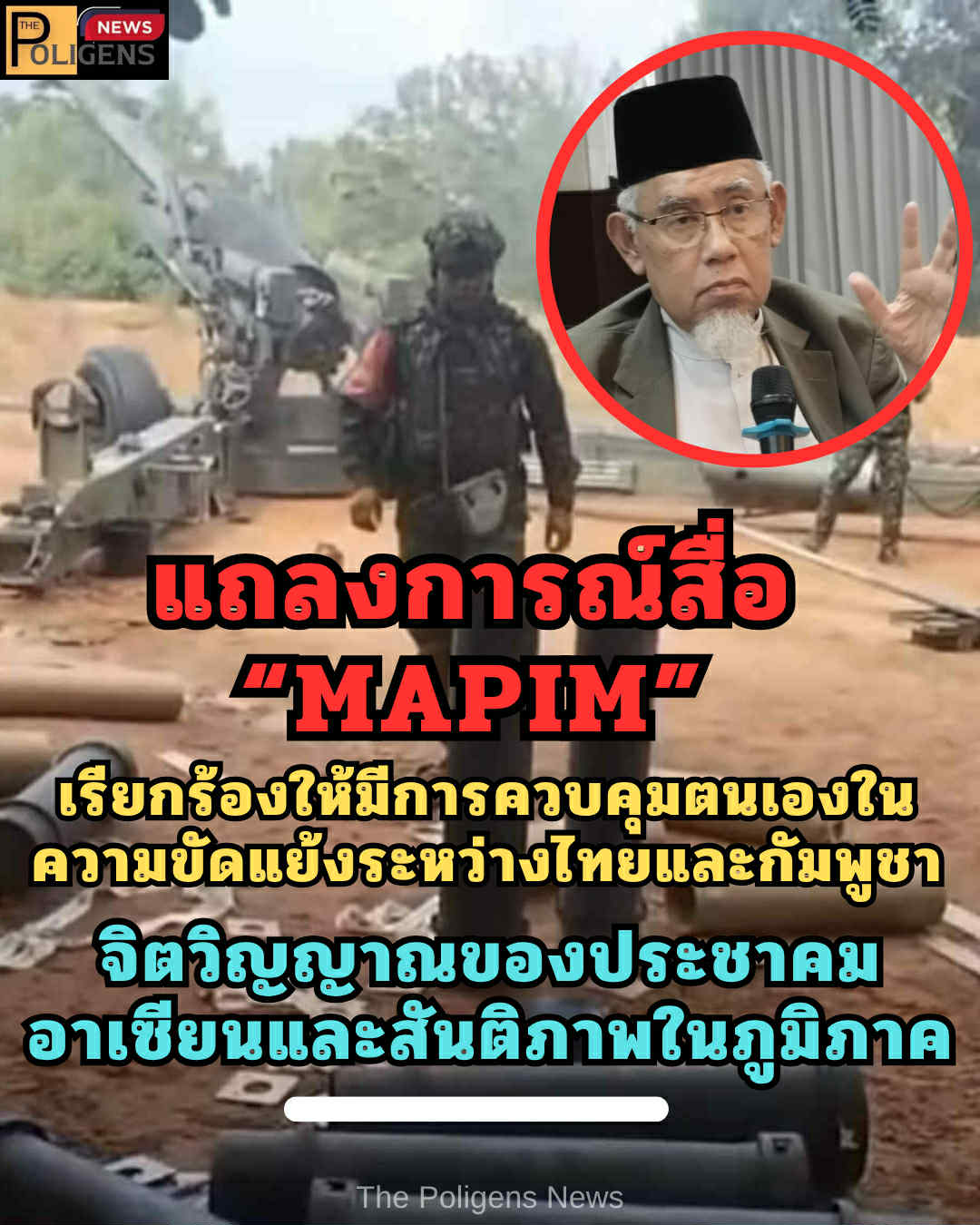

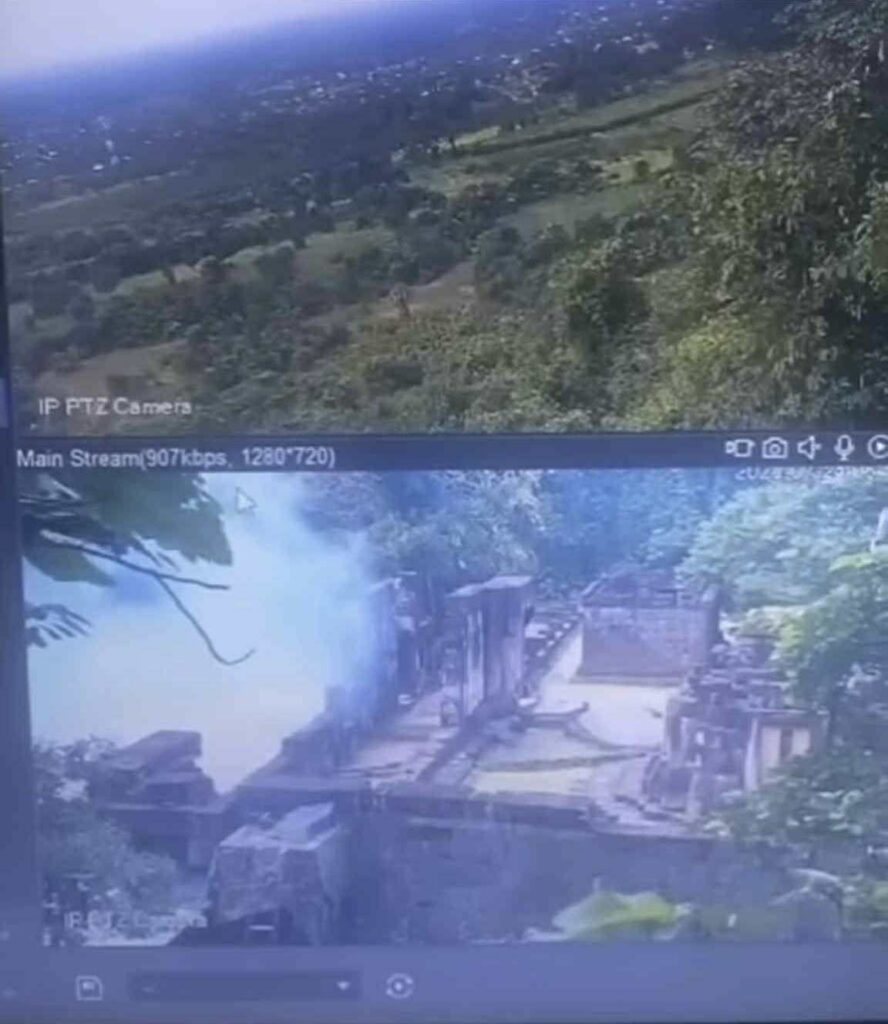
วันที่ 24 กรกฎาคม 2568 สภาปรึกษาองค์กรอิสลามมาเลเซีย (MAPIM) ขอแสดงความกังวลอย่างยิ่งต่อความขัดแย้งล่าสุดระหว่างประเทศไทยและกัมพูชา เราขอเรียกร้องให้ทุกฝ่ายใช้ความยับยั้งชั่งใจอย่างเต็มที่และหลีกเลี่ยงการกระทำใด ๆ ที่อาจบ่อนทำลายสันติภาพ ความมั่นคง และความเป็นหนึ่งเดียวของภูมิภาคอาเซียน
ในฐานะสมาชิกของประชาคมอาเซียน ทั้งประเทศไทยและกัมพูชามีความรับผิดชอบร่วมกันในการรักษาจิตวิญญาณของความเป็นปึกแผ่นในภูมิภาค การอยู่ร่วมกันอย่างสันติ และการเคารพซึ่งกันและกัน การเผชิญหน้าทางทหารหรือการยั่วยุใด ๆ จะต้องถูกแทนที่ด้วยการเจรจาทางการทูตและการแก้ไขความขัดแย้งผ่านกลไกของอาเซียน
MAPIM ขอเรียกร้องให้ผู้นำอาเซียน โดยเฉพาะประธานอาเซียนและเลขาธิการอาเซียน ดำเนินการทันทีเพื่ออำนวยความสะดวกในการเจรจาทางการทูตและจัดหาแพลตฟอร์มการไกล่เกลี่ยเพื่อลดความตึงเครียดในสถานการณ์นี้ เราเตือนสมาชิกทุกประเทศถึงความมุ่งมั่นของกฎบัตรอาเซียนต่อสันติภาพ การไม่รุกราน และความมั่นคงในภูมิภาค ในฐานะองค์กรที่มุ่งมั่นในการสร้างสันติภาพและความเป็นปึกแผ่นระหว่างประชาชนในเอเชียตะวันออกเฉียงใต้
MAPIM พร้อมที่จะสนับสนุนทุกความริเริ่มที่ส่งเสริมการเจรจาและความกลมเกลียวในภูมิภาค ประชาชนของอาเซียนสมควรได้รับสันติภาพ ไม่ใช่ความขัดแย้ง เราขอวิงวอนต่อรัฐบาลของประเทศไทยและกัมพูชา: จงเลือกใช้สติปัญญาแทนการรุกราน และจงระลึกไว้ว่าความแข็งแกร่งของอาเซียนอยู่ที่ความสามารถในการแก้ไขข้อพิพาทด้วยวิธีการที่สันติ
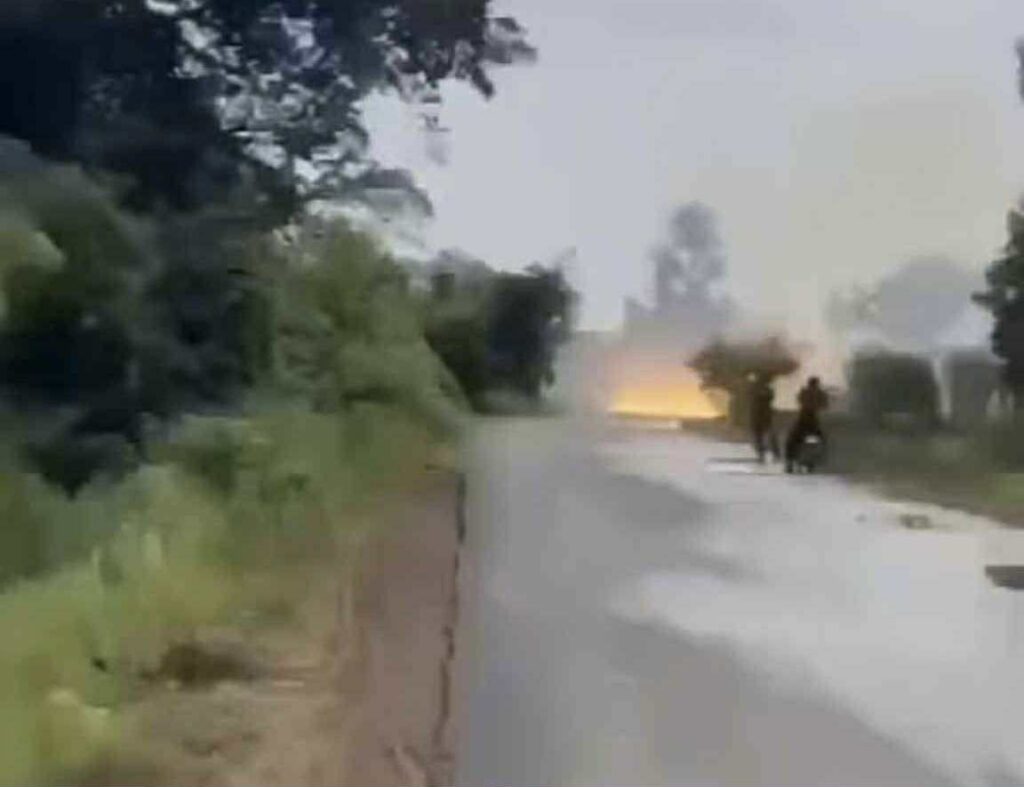

ทั้งนี้ MAPIM ยังได้เสนอยุทธศาสตร์การแก้ไขความขัดแย้งระหว่าง ไทย - กัมพูชา อีกด้วยดังนี้
เมื่อความขัดแย้งระหว่างประเทศไทยและกัมพูชาทวีความรุนแรง การแก้ไขต้องรวดเร็ว เป็นไปในแนวทางการทูต และยึดมั่นในหลักการสากลเพื่อป้องกันการเผชิญหน้าอย่างเต็มรูปแบบและรักษาเสถียรภาพในภูมิภาค ต่อไปนี้คือกรอบยุทธศาสตร์ของ MAPIM สำหรับการแก้ไขความขัดแย้งดังกล่าว:

1. มาตรการลดความตึงเครียดทันที การหยุดยิงและการควบคุมตนเองทั้งสองฝ่าย: ทั้งสองฝ่ายต้องตกลงหยุดยิงทันที ถอนกำลังทหารออกจากพื้นที่พิพาท และหลีกเลี่ยงการใช้ถ้อยคำที่ยั่วยุ การจัดตั้งกลไกการตรวจสอบร่วม: จัดตั้งหน่วยงานที่เป็นกลาง (อาจภายใต้กรอบอาเซียนหรือสหประชาชาติ) เพื่อตรวจสอบพื้นที่ชายแดนและยืนยันการปฏิบัติตามข้อตกลงของทั้งสองฝ่าย

2. การเจรจาทวิภาคีและการสร้างความไว้วางใจ การฟื้นฟูการเจรจาทวิภาคี: จัดตั้งคณะกรรมการร่วมหรือคณะกรรมการชายแดนเพื่อการเจรจาระดับสูงทั้งในด้านการเมืองและการทหาร การทูตระหว่างประชาชน: ระดมภาคประชาสังคม ผู้นำศาสนา นักวิชาการ และผู้นำชุมชนเพื่อลดความตึงเครียดและฟื้นฟูความสัมพันธ์ทางประวัติศาสตร์ ช่องทางการสื่อสารระหว่างทหาร: จัดตั้งสายการสื่อสารโดยตรงระหว่างผู้บัญชาการทหารเพื่อป้องกันการสื่อสารที่ผิดพลาดและการยกระดับความขัดแย้งโดยไม่ตั้งใจ

3. การไกล่เกลี่ยระดับภูมิภาคและนานาชาติ การไกล่เกลี่ยของอาเซียน: ใช้สนธิสัญญามิตรภาพและความร่วมมือของอาเซียน และใช้สภาสูงของอาเซียนเป็นหน่วยงานแก้ไขความขัดแย้ง การไกล่เกลี่ยโดยบุคคลที่สาม: เชิญอินโดนีเซีย มาเลเซีย หรือฝ่ายที่เป็นกลางที่ได้รับความไว้วางใจให้เป็นตัวกลาง หรือขอความช่วยเหลือจากกรมการเมืองของสหประชาชาติหรือศาลยุติธรรมระหว่างประเทศ (ICJ) หากเกี่ยวข้องกับข้อเรียกร้องทางกฎหมาย

4. การจัดการสาเหตุรากเหง้า การชี้แจงการกำหนดเขตแดน: ความขัดแย้งมักเกิดจากแผนที่สมัยอาณานิคม ทั้งสองประเทศควรร่วมกันตรวจสอบแผนที่โดยอิสระตามกฎหมายระหว่างประเทศ (เช่น คำตัดสินของ ICJ เกี่ยวกับปราสาทพระวิหารในปี 2505) ความร่วมมือทางเศรษฐกิจในพื้นที่พิพาท: เปลี่ยนพื้นที่พิพาทให้เป็นเขตพัฒนาร่วม เช่น สถานที่ท่องเที่ยวร่วมกัน หรือศูนย์การค้าข้ามพรมแดน ข้อตกลงปลอดทหาร: จัดตั้งเขตปลอดทหารในระยะยาวพร้อมกฎการปฏิบัติและการลาดตระเวนที่ตกลงร่วมกัน

5. บทบาทของภาคประชาสังคมและผู้นำศาสนา ความริเริ่มการปรองดองทางศาสนาและวัฒนธรรม: ผู้นำพุทธศาสนาจากทั้งสองฝ่ายสามารถมีบทบาทเชิงสัญลักษณ์และจิตวิญญาณที่ทรงพลังในการส่งเสริมสันติภาพและการปรองดอง การทูตแบบ Track II: สนับสนุนแพลตฟอร์มการเจรจาระหว่างนักวิชาการ เยาวชน และองค์กรพัฒนาเอกชนจากทั้งสองประเทศ ความคิดสุดท้ายจาก MAPIM: "สันติภาพไม่ใช่การไร้ซึ่งความตึงเครียด แต่คือการมีอยู่ของความยุติธรรมและปัญญา ประเทศไทยและกัมพูชาจะต้องก้าวข้ามอัตตาแห่งชาติและยอมรับจิตวิญญาณแห่งความเป็นหนึ่งเดียวของอาเซียน ไม่มีพรมแดนใดมีค่ามากกว่าชีวิตที่สูญเสียในสงคราม"
ออกแถลงการณ์ พร้อมข้อเสนอ โดย: โมฮัมหมัด อัซมี อับดุล ฮามิด ประธาน, MAPIM สภาปรึกษาองค์กรอิสลามมาเลเซีย (Malaysian Consultative Council of Islamic Organizations) - MAPIM Space U8, Eco Mall, Bukit Jelutong, Shah Alam, Selangor มาเลเซีย อีเมล: azmiabdulhamid58@gmail.com
ต้นฉบับแถลงการณ์ เป็นภาษาอังกฤษ โดยมีข้อความ ดังนี้:-
Majlis Perundingan Pertubuhan Islam Malaysia (Malaysian Consultative Council of Islamic Organizations) - MAPIM Space U8 , Eco Mall , Bukit Jelutong , Shah Alam , Selangor Malaysia azmiabdulhamid58@gmail.com
Press Release
MAPIM CALLS FOR RESTRAINT IN THAILAND–CAMBODIA CLASH In the Spirit of ASEAN Community and Regional Peace
24 July 2025
The Malaysian Consultative Council of Islamic Organizations (MAPIM) expresses deep concern over the recent clash between Thailand and Cambodia. We urge all parties to exercise maximum restraint and avoid any escalation that could undermine the peace, security, and unity of the ASEAN region.
As members of the ASEAN Community, both Thailand and Cambodia have a shared responsibility to uphold the spirit of regional solidarity, peaceful coexistence, and mutual respect. Any form of military confrontation or provocation must be replaced by diplomatic dialogue and conflict resolution through ASEAN mechanisms.

MAPIM calls on ASEAN leaders, especially the ASEAN Chair and Secretary-General, to immediately facilitate diplomatic engagements and offer mediation platforms to de-escalate the situation. We remind all member states of the ASEAN Charter's commitment to peace, non-aggression, and regional stability.
As an organization committed to peace-building and people-to-people solidarity in Southeast Asia, MAPIM stands ready to support any initiative that promotes dialogue and regional harmony. The people of ASEAN deserve peace, not conflict.
We appeal to the governments of Thailand and Cambodia: choose wisdom over aggression, and remember that the strength of ASEAN lies in its ability to resolve disputes through peaceful means.
Issued by: Mohd Azmi Abdul Hamid President, MAPIM
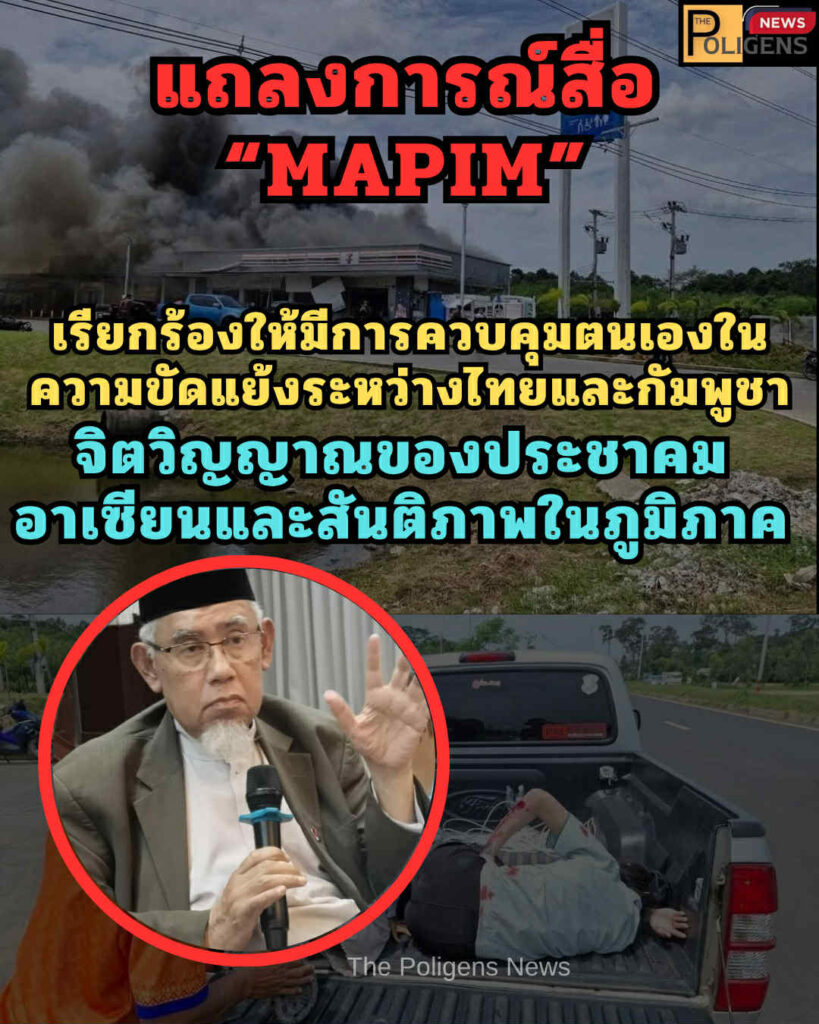
24th July 2025 When conflict escalates between Thailand and Cambodia, resolution must be swift, diplomatic, and rooted in international norms to prevent full-scale confrontation and preserve regional stability. Here is MAPIM's strategic framework for resolving such conflict:
1. Immediate De-escalation MeasuresCeasefire and Mutual Restraint: Both sides must agree to an immediate cessation of any military activity, redeploy forces away from disputed areas, and avoid inflammatory rhetoric. Establishment of a Joint Monitoring Mechanism : A neutral body (possibly under ASEAN or the UN) can be deployed to monitor the border area and verify compliance by both parties.
2. Bilateral Dialogue and Confidence BuildingReactivation of Bilateral Talks: Set up a Joint Commission or Border Committee for high-level political and military dialogue. People-to-People Diplomacy: Civil society, religious leaders, academics, and community elders should be mobilized to reduce tension and restore historical ties. Military-to-Military Communications Channel: A direct line between army commanders to prevent miscommunication and accidental escalations.
3. Regional and International MediationASEAN Mediation: Invoke ASEAN’s Treaty of Amity and Cooperation and utilize the ASEAN High Council as a conflict resolution body. Third-party Mediation: Invite Indonesia, Malaysia, or another trusted neutral party to mediate, or seek facilitation from the UN Department of Political Affairs or the International Court of Justice (ICJ) if legal claims are involved.
4. Addressing Root CausesClarifying Border Demarcation: Disputes often stem from colonial-era maps. Both countries should agree to an independent cartographic verification based on international law (e.g., ICJ ruling on Preah Vihear in 1962). Economic Cooperation in Disputed Zones : Convert contested areas into joint development zones—e.g., shared tourism sites, cross-border trade hubs. Demilitarization Agreements: Establish long-term demilitarized zones with agreed rules of engagement and patrolling.
5. Role of Civil Society and Religious LeadersFaith-based and Cultural Reconciliation Initiatives : Buddhist leaders from both sides can play a powerful symbolic and spiritual role in urging peace and reconciliation. Track II Diplomacy: Support dialogue platforms between academics, youth, and NGOs from both countries. Final Thought from MAPIM :
"Peace is not the absence of tension, but the presence of justice and wisdom. Thailand and Cambodia must rise above nationalistic ego and embrace the spirit of ASEAN unity. No border is worth more than a life lost in war."
Mohd Azmi Abdul Hamid President MAPIM
#แถลงการณ์ #สภาที่ปรึกษาองค์กรอิสลามมาเลเซีย #MAPIM #เรียกร้องทั้งสองฝ่ายควบคุมตนเอง #สถานการณ์ความขัดแย้งระหว่างไทยกัมพูชา #เพื่อสันติภาพในภูมิภาคอาเซียน #ThePoligensNews